
If the first time you find out what would have made a good employee stay is during his exit interview—you found out too late.
Daniel Bendickson spent 18 years in pipeline and oil & gas, moving from the field to foreman, superintendent, and oversight of crews and projects across 26 states. He left the industry to work on problems he'd spent years managing from the inside—keeping good people, developing field leaders, and addressing the things that affect the work long before they show up on a report.

18 years inside the problems he speaks about.
Daniel didn't study these problems from outside the industry. He managed them. As a foreman and superintendent, he was responsible for the work and the people doing it. Later, that responsibility stretched across multiple crews, projects and states.
He saw what happened when a great employee left and couldn't easily be replaced. He saw technically strong people struggle when the job became leading people instead of doing the work. He managed traveling crews weeks into being away from home, handled the calls when something went wrong in the field, and had conversations with men who weren't doing okay.
That's the experience behind his work today: retention, frontline leadership, traveling workforces, mental health and safety—taught by someone who understands that the people matter and the work still has to get done.

Bring the conversation your people need.
Five conversations built around problems Daniel watched play out for 18 years in the field.
Every presentation is adapted to the room—from company leadership and foremen to union members, apprentices and mixed conference audiences.
Building the Life That Makes Him Stay
If the first time you find out what would have made a good employee stay is during his exit interview, you found out too late.
For years, Daniel was responsible for keeping projects staffed in an industry where experienced people are difficult to replace. When someone considered leaving, the obvious response was often compensation: What would it take to keep you?
Over time, he saw the limitation in that question.
A worker can be well paid and still reach a point where the way he earns that money no longer works for his life. Distance from home, unpredictable schedules, months of travel, limited relief and changing responsibilities outside of work can eventually outweigh another increase in pay.
Daniel has experienced this problem from both sides: as a leader trying to retain good people and through different seasons of his own 18-year career, when what made a job workable changed as life changed.
This talk moves the retention conversation earlier, while there are still options to discuss.
Keep the people you can't easily replace.
- Find out what keeps your best people before they're halfway out the door. Surface what matters beyond another raise while there may still be something the company can do about it.
- Protect hard-to-replace skills and certifications. Know which departures would create an immediate staffing or scheduling problem and start those retention conversations earlier.
- Give good employees a reason to picture a future with the company. Make advancement, opportunities and available options more visible instead of assuming the hardest-working people will eventually find their way forward.
- Compete on more than pay. Use schedule, geography, predictability, advancement, planned time home and other available levers to build jobs good people want to keep.
The Foreman Gap
You promoted him because he was good at the work. What prepared him to become responsible for the people doing it?
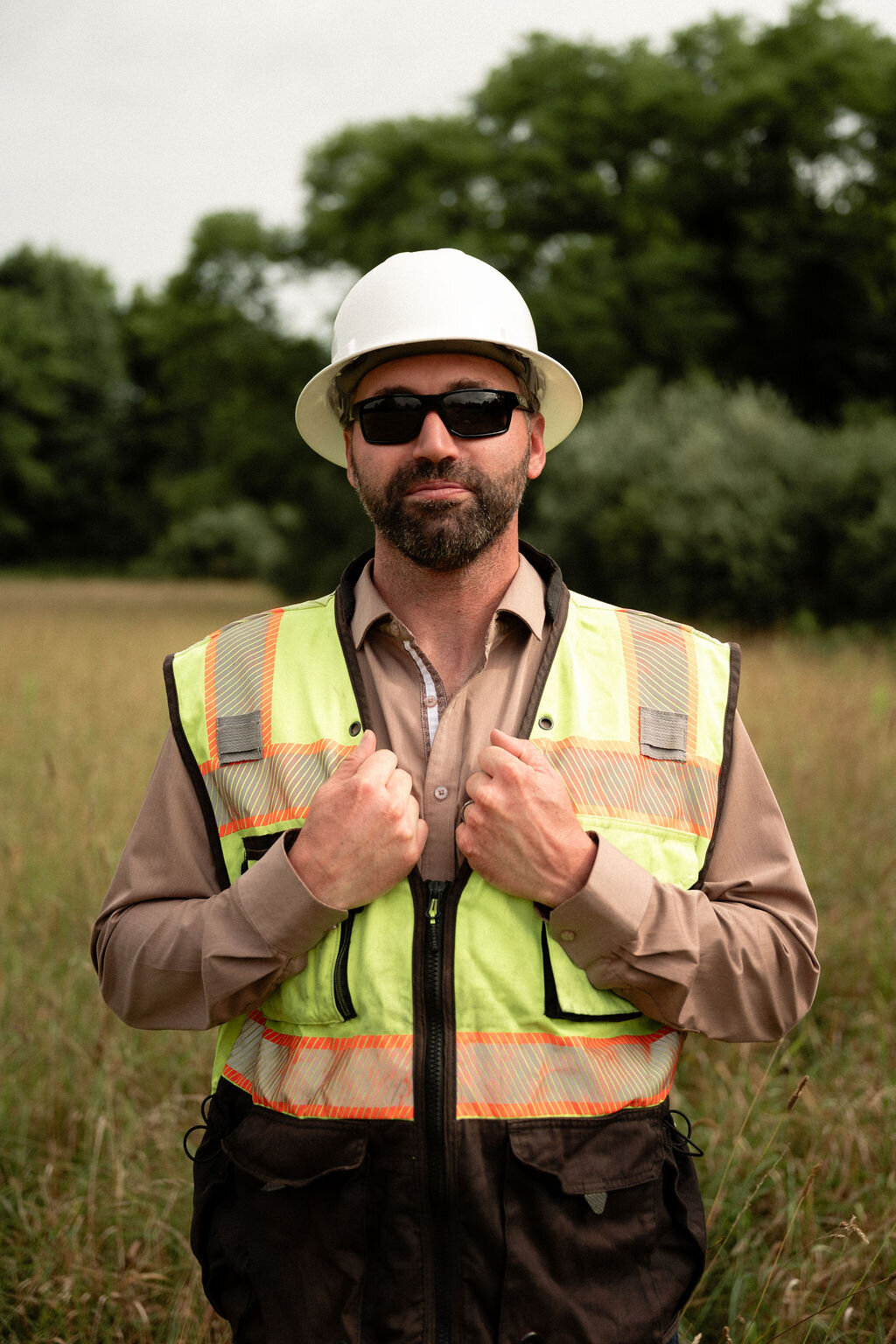
Across hundreds of projects and crews, Daniel watched technically strong people step into foreman roles and discover that the job had changed.
The strongest foremen weren't necessarily the ones spending the most time doing the physical work alongside the crew. They stayed far enough ahead to see what was coming. Their people knew the plan, understood changes and weren't routinely blindsided by an unexpected Sunday or approaching deadline.
They could also be questioned without losing control of the crew. They explained their reasoning, listened when someone had information they didn't, adjusted when it made sense and stood behind the decision when a call still had to be made.
Daniel learned the same lesson when he first became responsible for people. Giving the same direction to different workers didn't produce the same response. Experience, personality, communication and trust mattered in ways technical preparation hadn't taught him to expect.
The Foreman Gap addresses the part of frontline leadership that craft experience alone doesn't teach.
Put people in charge who can actually run the job—not just perform the work.
- Prepare foremen to run more than the work. Planning, paperwork, vendors, clients and people all become part of the job when someone steps into leadership.
- Keep small misses from becoming schedule problems. Build the look-ahead habits that prevent forgotten equipment, materials, coordination and crew needs from stopping production.
- Represent the company well in front of the client. Give field leaders a clearer understanding of the preparation, communication and professionalism that comes with increased client exposure.
- Develop confident decision-makers. Prepare foremen to hear information from the crew, respond to changing conditions and make the call when the job can't wait for someone above them to decide.
Relational Fatigue
Extended time away doesn't only affect the family at home. It affects the person coming to work every morning.
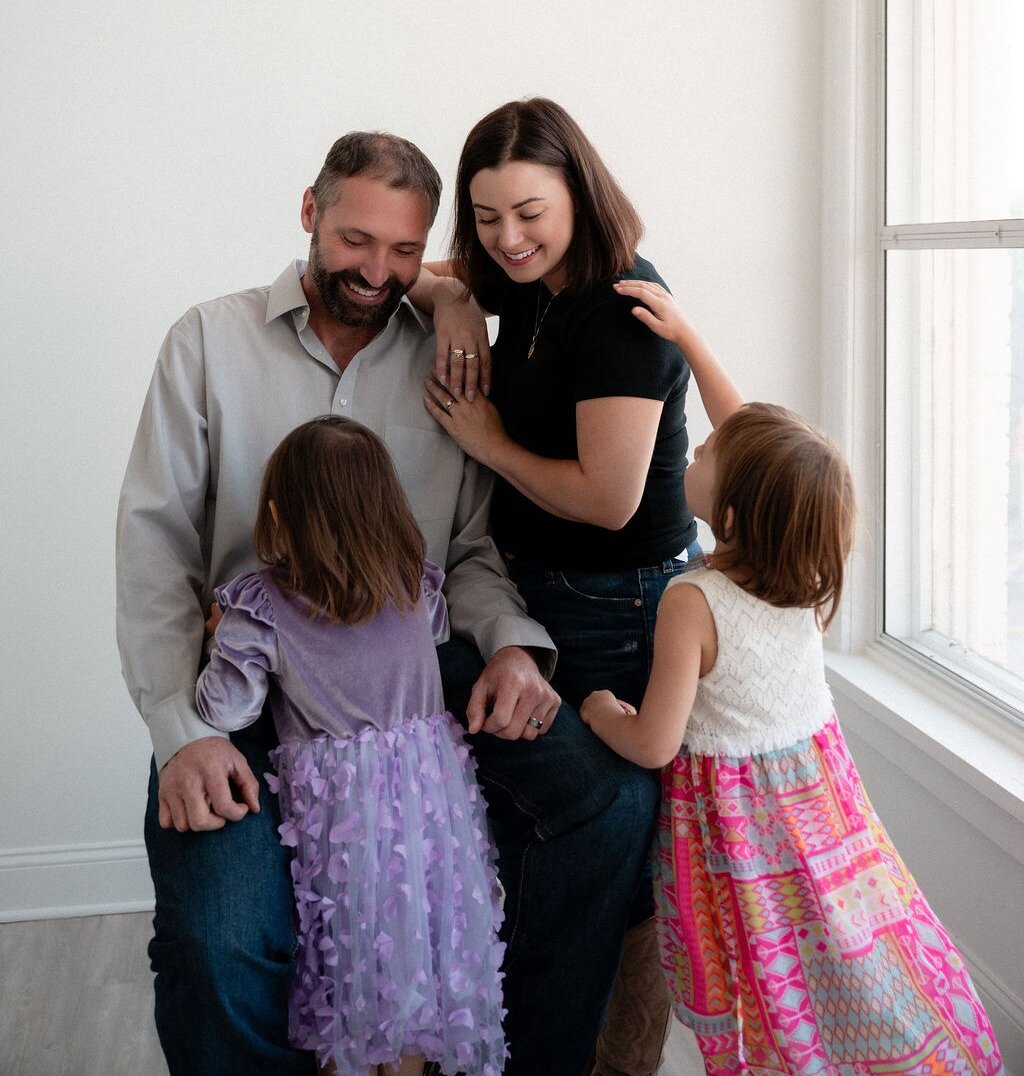
Daniel spent much of an 18-year career traveling for work while also leading crews made up of people doing the same.
There was a noticeable difference between the beginning of an assignment and weeks into it. Patience could shorten. Frustration came faster. Small irritations between people who had been working and living around one another could become harder to brush off.
At the same time, life at home kept moving.
That matters in industries where being away isn't an occasional inconvenience. It's part of how the work gets done.
Daniel uses relational fatigue to describe the cumulative effect of spending extended periods separated from the relationships, routines and ordinary parts of life that keep someone connected to who he is outside of work.
The worker waking up away from home six weeks into an assignment isn't necessarily carrying the same human experience through the gate as someone who was home with his family the night before.
This conversation isn't about pretending travel can disappear. It's about recognizing what extended travel can change and addressing it earlier.
Understand the reality of the traveling workforce you're trying to lead.
- Understand what's different about leading people weeks into an away job. Patience, tolerance, crew dynamics and attention may look different in week six than they did in week one.
- Recognize when the road is starting to show up on the job. Complaints, conflict, carelessness, distraction and increased thoughts of leaving may be connected to the accumulated realities of extended travel rather than isolated problems.
- Address what the company can without taking responsibility for someone's personal life. Greater predictability, clearer expectations, rotations, geographic considerations or relief options can matter when they're operationally possible.
- Keep the paycheck from becoming the only reason someone stays. Help workers stay connected to what they're actually working for before resentment toward the work becomes the dominant story.
Mental Health in the Trades
Telling someone to speak up only works if there's somewhere for the conversation to go.
Daniel spent years in an industry where being dependable matters. You handle what's put in front of you. People count on you. Admitting something isn't working can feel less like speaking up and more like admitting you can't handle the job.
He has experienced that pressure himself and later led people through periods when it was clear something had changed.
The trades have made progress telling workers to speak up and encouraging people to check on one another. Daniel focuses on what can still be unclear: what happens when someone actually says he isn't okay?
This talk looks at both sides of that conversation. Why might someone stay quiet? What does a coworker or frontline leader do when he notices a change? How do you ask without diagnosing, listen without trying to fix everything, and know when the next step belongs with someone more qualified?
The goal isn't to turn foremen or coworkers into therapists. It's to make the space between “check on your people” and “here's where we go from here” easier to navigate.
Change the way men in the trades think about getting support.
- Challenge the old definition of tough. Examine why handling everything alone became proof of strength and what that belief can cost when someone is struggling.
- Understand why traditional “ask for help” messaging doesn't always land. Give workers another way to think about getting support without equating it with weakness or inability.
- Make mental health something the crew can actually talk about. Address depression, suicide and personal struggle directly rather than waiting until the situation becomes a crisis.
- Know what to do when the conversation becomes real. Give workers and leaders a clearer path toward the company, union, professional or crisis resources already available to them.
The Distracted Crew
Someone can be fit for work on paper and still not be fully present for the task in front of him.

Experienced field leaders know when something about a worker has changed. A normally engaged person is unusually quiet. His attention isn't where it usually is. His demeanor is different enough that the people working beside him notice.
The reason isn't always known, and determining the reason isn't necessarily the foreman's first job.
During Daniel's years leading crews, he learned to start with the work in front of them. Pull the person aside. Keep the conversation private. Ask how he feels about performing the task.
Sometimes the conversation confirms there's no issue. Other times it gives the leader information he didn't have a few minutes earlier and an opportunity to respond appropriately.
The Distracted Crew is about the space between noticing that something is off and deciding what the work requires next.
Fewer preventable safety events caused by people who know better.
- Understand why knowing the rule isn't always enough to produce safe behavior. Focus on the moments when experienced people take shortcuts they already know they shouldn't.
- Challenge the idea that unnecessary risk proves toughness or competence. Reframe professionalism around doing the job correctly even when nobody is watching.
- Interrupt the “I'm only doing it quick” decision. Recognize the rushed or distracted moments where basic precautions are most likely to disappear.
- Build pride around doing the work right. The best hand isn't the person willing to take the unnecessary risk; it's the person disciplined enough not to need one.
Built for the room he's walking into.
Retention · Foreman development · Readiness · Safety
Common settings: Leadership meetings · Company meetings · Foreman development · Orientations · Safety meetings
Mental health · Leadership · Traveling workforce · Family/member support
Common settings: Union meetings · Conferences · JATCs · Family events · Stand-downs
Keynotes and workshops built for mixed industry audiences.
Common settings: Annual conferences · Safety conferences · Workforce events · Leadership events
BOOKING
You don't need to know which talk you want.
Tell Daniel who's attending, what's happening inside your organization, what prompted the search for a speaker and what you want people thinking, talking about or doing differently afterward. He'll recommend the topic, format and emphasis that fits the room.
You're all set.
Thanks for reaching out — your request has been sent to Daniel. He'll follow up soon to talk through the right fit for your event.